
Galesburg Previous Resident Sources
Galesburg previous residents are found through an era-based trail. Begin with the source closest to the date being researched, then seek a second source made for a different purpose. A modern assessment card is strong for a parcel and tax year, while a deed is better evidence of legal transfer. A directory can place a listed person at a street address, but it may omit relatives, renters, women, or people outside its inclusion rules.
| Source | Years It Covers | Where Held | What It Shows |
|---|---|---|---|
| Knox deed records | 1818–1863 listed series | IRAD at Western Illinois University | Early transfer parties and deed context |
| GPL directories and phone books | 1867, 1868, 1877–78 and cataloged runs through 1960, with gaps | GPL, CARLI, and finding aids | Dated names, addresses, and businesses |
| Federal census | Released schedules through 1950; 1890 destroyed | National Archives and approved repositories | Households, ages, relationships, and later addresses |
| Galesburg Sanborn maps | 1888–1927, seven dated sets | Library of Congress | Buildings, materials, uses, and street context |
| Devnet tax cards | Sampled tax years 1993–2026 | Knox County assessment portal | Parcel, owner, mailing address, sales, and legal description |
The online cutoff for modern recorder indexes was not published. For an older transfer, or when a paid portal does not return the needed instrument, contact the Knox County Clerk & Recorder for the paper index and deed book. For a twentieth-century occupant, ask the library for a specific directory or phone-book year. An exact year and address will get a better answer than a request for every past resident.
Map Galesburg Address Changes
Old addresses need geographic checks before they are matched to present parcels. Galesburg began with a 160-acre grid of 42 blocks, and the railroad shaped the depot corridor and later street descriptions. The Galesburg Sanborn map sets date from 1888, 1892, 1898, 1906, 1911, 1918, and 1927. They show footprints, materials, stories, outbuildings, and use. They do not name occupants or prove ownership.
Preserve phrases such as “west side” or “six doors north” before assigning a modern number. Compare the directory page, Sanborn sheet, plat, legal description, and city-council street record. No official source established a citywide renumbering date, so a changed number must be shown through records, not assumed.
The Knox County Historical Sites page adds context for this two-town records trail:
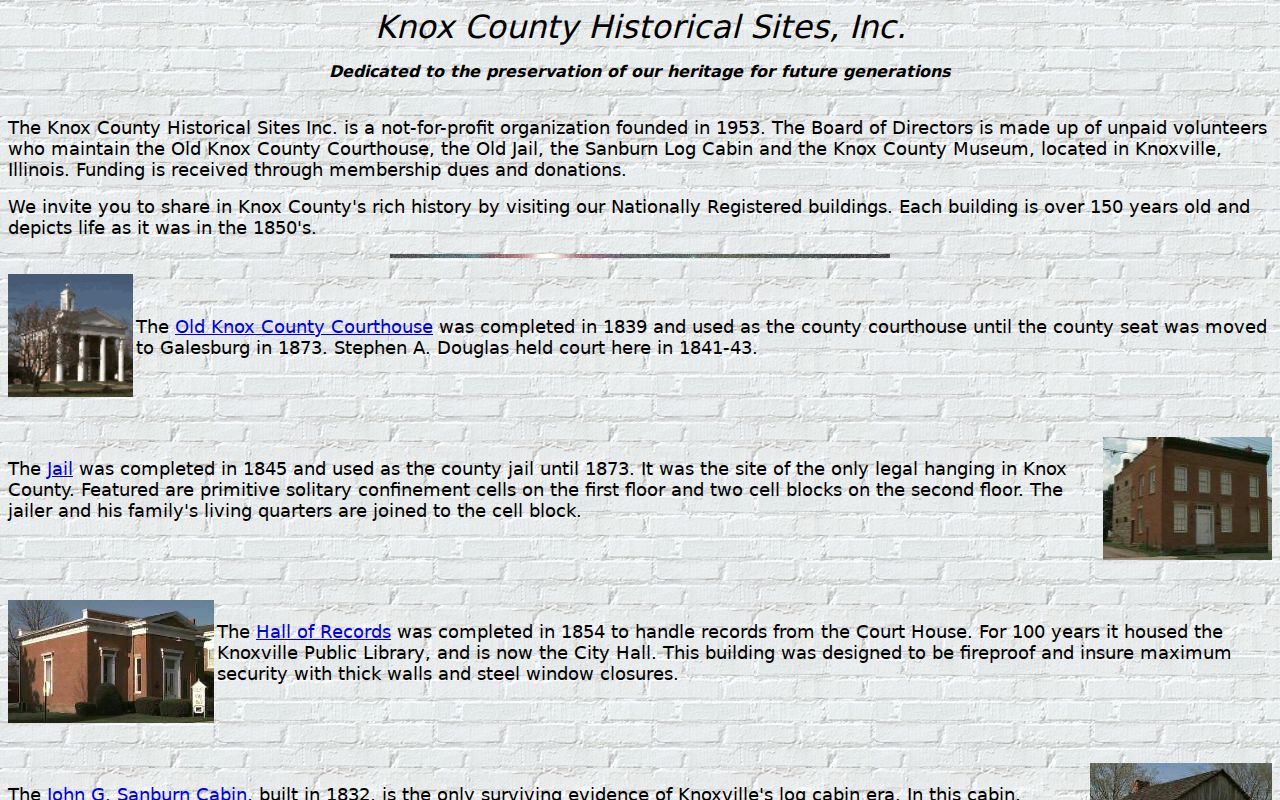
The Old Courthouse and museum explain the county-seat shift, while names and dates still need confirmation in deeds, directories, or IRAD files.
Trace Galesburg Deeds Backward
Past residents and past owners are not always the same people. Begin the ownership side of a Galesburg address history with the current PIN and legal description in Devnet wEdge. Then search the Clerk & Recorder index backward. Tapestry serves occasional users, Laredo serves subscribers, and the office provides a fallback when an online range or image is unclear.
- Copy the PIN, site address, current owner, and full legal description from the tax card.
- Find that owner's purchase deed through the official recorder links.
- Read the deed for the grantor, then search that seller as a grantee to locate the earlier purchase.
- Log instrument date, recording date, document type, parties, book or page, and any parcel change.
- When the web trail stops, request the paper index, deed book, or earlier copy from the office.
- Grantor and grantee
- The grantor gives or sells an interest; the grantee receives it.
- Chain of title
- The linked sequence of recorded transfers for the same property.
- Legal description
- The lot, subdivision, or boundary text that can survive an address or PIN change.
Galesburg Tax Cards Need Deeds
The sampled Devnet card offered tax years from 1993 through 2026. Comparing years can show when an owner name or mailing address first or last appears. That is an assessment observation, not proof of the transfer date or physical occupancy. Sales history, exemptions, the parcel map, and legal description help explain a change, but the recorded instrument is stronger ownership evidence.
A 2024 Knox County Board packet describes deeds from Laredo being imported into Devnet name and sales tabs. The systems may update at different times. If a new deed and tax card disagree, retain both retrieval dates and ask the Recorder or Assessment Office which update is pending.
Note: A mortgage release clears a recorded claim; it does not by itself establish that ownership changed.
Galesburg Archives Fill Record Gaps
The web is only one access channel. Galesburg Public Library Archives, at 264 W Main Street, holds directories, newspapers, maps, photographs, yearbooks, manuscripts, and local histories. Contact the archivist before a visit because materials may be available only when staff are present. Ask for a named collection, a tight date span, exact street wording, and permission rules for copies.
IRAD at Western Illinois University holds Knox County deed, probate, naturalization, election, vital, school, tax, and city series. Its probate index reaches 1832–1959, while listed wills reach 1832–1922. Inventory entries are finding aids, not full records. Confirm copy rules and request the actual file. If no portal or inventory resolves the question, a narrow Illinois FOIA request can seek a defined permit or parcel-change record.
Newspapers bridge many gaps between formal records. The GPL digital archive and microfilm holdings include Galesburg titles beginning in the 1850s, though the catalog contains missing years and unknown digits. Search a small span around a known deed, directory entry, marriage, or death. Notices may connect an executor, widow or widower, heir, business, or former address. Save the paper title, issue date, page, and image status. A text-search hit can be an OCR error, so inspect the page image before adding the name to a previous-resident timeline.
Community Development at 55 W Tompkins Street may hold address-based permit or code material. No current public permit portal was confirmed in the research. The safe route is a narrow request that gives the address, PIN when known, record type, and date range. A permit can name an owner, applicant, or contractor, but those roles are not interchangeable with an occupant. City-council minutes can supply public-improvement, street, plat, or petition context for the same property.
Galesburg's Two-Courthouse Trail
County-seat history can explain a gap. Knoxville was Knox County's original seat. A vote in 1869 and court decision in 1873 moved the seat to Galesburg, where the courthouse opened in 1887. Older papers may be described under Knoxville or a separate Recorder office even when the current request goes to the combined Clerk & Recorder.
Recorder duties, staff, documents, and records moved into the Clerk's office in December 2020 after a 2019 board resolution. Preserve the custodian printed on each record, then cite the present office used to retrieve it. That distinction helps another researcher repeat the previous-resident search.
A practical source log should have one row per observation: address as printed, normalized address, person or party, role, year, source title, page or instrument, repository, and confidence note. Keep an owner's deed role separate from a resident's directory role. When a parcel split changes the PIN, carry the legal description and subdivision lot forward. When two sources conflict, report both and seek the original image rather than silently choosing the cleaner spelling.
Galesburg Households Beyond Owners
Place directory years beside released census years to identify who lived here before. Catalog leads include Galesburg directories from 1867, 1868, and 1877–78, later runs through 1960 with gaps, and phone-book finding aids from 1907 forward. The exact reverse series was not confirmed, so ask whether a chosen volume has an address-first section. The Galesburg city directories resource covers the collections in depth.
- Transcribe the directory entry exactly, including year, publisher, page, address, occupation, and any move note.
- Check the nearest released census. The latest public schedule is 1950, and the 1890 census is a permanent gap.
- Use a newspaper, church note, obituary, or city record to test the name-address link.
- For a deceased person, search probate and cemetery leads, then request the underlying file.
A burial date is not always a death date, and a cemetery lot does not establish the last home. Absence from one directory is not proof of absence from Galesburg. Missing volumes, OCR errors, and short stays can all hide previous residents.
Lawful use. Research Galesburg previous residents for house history, family history, or personal curiosity. Never use an address trail to track, intimidate, or harass a living person.